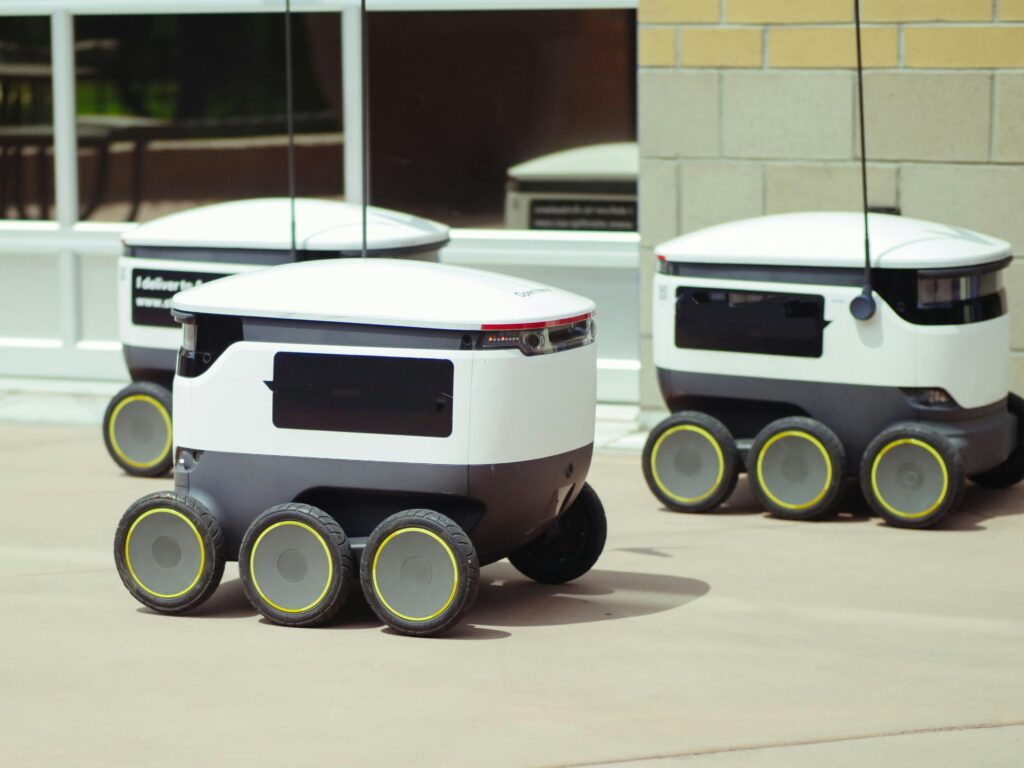
Humanoid robotics combines robotics, artificial intelligence, and human-interface design to create machines that can operate in human environments. While the technology offers strong advantages across industries, it also presents notable challenges. Below is a clear and concise breakdown of the pros and cons, written in an easy-to-understand, educational format.
Pros of Humanoid Robotics
1. Human-Like Interaction
Humanoid robots communicate using speech, gestures, and expressions, making interaction more natural and comfortable for users.
2. Adaptability to Human Environments
Their human-shaped design allows them to work in spaces built for people without major infrastructure changes.
3. Increased Operational Efficiency
Humanoid robots can perform repetitive tasks continuously, reducing downtime and improving productivity.
4. Support in Labor-Intensive Industries
They assist in manufacturing, logistics, and construction by handling physically demanding tasks.
5. Enhanced Healthcare Assistance
In hospitals, robots help with patient monitoring, logistics, and routine care support.
6. Improved Workplace Safety
Humanoid robots take on hazardous tasks, reducing injury risks for human workers.
7. Consistent Performance
Robots deliver predictable and accurate results without fatigue or distraction.
8. Continuous Learning with AI
AI-enabled robots learn from data and experiences, improving performance over time.
9. 24/7 Availability
Humanoid robots operate around the clock, supporting nonstop services and monitoring.
10. Educational and Research Value
They serve as advanced learning tools in robotics, AI, and human-machine interaction studies.
Cons of Humanoid Robotics
11. High Development Costs
Designing, training, and maintaining humanoid robots requires significant financial investment.
12. Complex System Architecture
Their advanced hardware and software make debugging and system management challenging.
13. Energy Consumption Limitations
Battery life and power efficiency remain major constraints for long-term operation.
14. Ethical and Privacy Concerns
Data collection and autonomous decision-making raise privacy and ethical questions.
15. Job Displacement Risks
Automation may reduce demand for certain human roles in service and operations.
16. Reliability and Error Risks
AI systems may produce incorrect actions or unexpected behavior in complex environments.
17. Limited Emotional Understanding
Despite progress, robots still struggle with genuine emotional intelligence.
18. Security Vulnerabilities
Connected systems increase exposure to cyberattacks and data breaches.
19. Maintenance and Skill Dependency
Specialized expertise is required to maintain and update humanoid robotic systems.
20. Social Acceptance Challenges
Public trust and comfort with humanoid robots vary across cultures and environments.
Conclusion
Humanoid robotics offers powerful advantages such as efficiency, safety, and intelligent interaction, making it valuable across many industries. However, high costs, ethical concerns, and technical limitations must be addressed for responsible and sustainable adoption. Understanding both sides helps organizations make informed decisions when integrating humanoid robots into real-world applications.
Frequently Asked Questions
What are humanoid robots mainly used for?
They are used in manufacturing, healthcare, education, customer service, and research environments.
Why are humanoid robots expensive?
Their cost comes from advanced hardware, AI software, sensors, and ongoing maintenance needs.
Do humanoid robots replace human jobs?
They automate certain tasks, but are often designed to assist humans rather than fully replace them.
Are humanoid robots safe to work with humans?
When properly designed and regulated, they can safely collaborate with humans in shared spaces.
What is the future of humanoid robotics?
As AI and robotics advance, humanoid robots are expected to become more capable, affordable, and widely adopted.

1 thought on “Humanoid Robotics: Pros and Cons Explained Briefly”
this product is revolting.