Think of your office Wi-Fi or your company’s database. Usually, these IT things need attention when they stop working, don’t they? In 2026, the goal is to never have to think about them at all. Wondering how it is possible?
Well, this is the era of smart IT infrastructure management. Everything is possible in this era of smart technologies.
From “Reactive” to “Predictive”
Back in 2023 or before, if a server went down, companies used to dial an engineer who would fix it. But in 2026, things are different. AI does not wait for outages or things to break. Instead, it uses predictive analytics results to notice that hardware is tearing or a disc is getting slightly too warm. According to automated assessment, it fixes the issue or reroutes the data before the crash, even before the crash even happens.
Consider it like an autonomous car that schedules its own ride, diversions, and U-turns because it senses a microscopic change in the navigation.
The Rise of “Agentic” AI
Agentic AI minimises the need for human resources while carrying out tasks using artificial intelligence. It goes beyond just answering questions independently by planning and executing multiple steps towards a specific goal. Just a year ago, it was not possible. A basic chatbot used to struggle with answering “Where is my order?” But in 2026, the story is different. Agentic AI has evolved, which is not just a bot that talks, but an agent that does what you order.
Equinix has initiated deploying an AI agent (E-Bot) to auto-route and resolve IT issues inside collaboration tools, as per a source. It’s versatile, which appears when it autonomously resolves a ticket (customer support). Likewise, proactive incident detection and self-healing systems are now available.
For example, when a new employee joins the crew, a next-gen managed support provider does not need to send a “welcome email”. Instead, AI agents independently track new entries and set up their email accounts, grant access to the right folders, configure their laptops per role, and grant them permissions accordingly. Simply put, these smart agents make decisions as per the company’s guidelines without human intervention, which needs to click “approve” every few seconds during the entire process.
Hyper-Personalised “Smart” Management
A hyper-personalised system is the one that adapts to your specific business habits and automates resource scaling. It ensures that your internal systems show high efficiency without manual effort. Smart IT infrastructure management in 2026 is designed to learn how your specific business works. Let’s say your team is most active at 10.00 AM on Tuesday. Considering this fact, the AI automatically scales up your cloud ability at 9:55 AM so every stakeholder enjoys laser-fast speed while working seamlessly. At the end of the day, it scales down its ability to save money.
The “Human” Side
Many people often think, “If AI is doing everything, do they still need experts?” The answer is certainly yes. In fact, there are a few points that need to be considered for trustworthy IT solutions. These are:
- Experience: Customers, like search engines, value stories from real people who have actually experienced managed services and systems from a qualified IT engineer.
- Expertise: Potential and existing customers look for deep technical knowledge, which gives them the idea of why a certain automation works.
- Authoritativeness: Before going ahead, businesses or service seekers discover whether the information comes from a leader in the MSP space.
- Trustworthiness: People trust honest, secure, and up-to-date information. So, always ensure that your IT assistants provide trustworthy recommendations.
Consider Voice-Optimising bots for Answers
In 2026, people don’t just type “IT support” when searching for desired technical solutions. They seek voice assistance also, which an agentic AI can do efficiently. So, before you choose the trend, always focus on these verticals:
- Hybrid Support: Leverage agentic AI with human oversight. For instance, utilizing
Delivery Hero built QueryAnswerBird, which can automate making queries, visualise, and even discover intended corporate data without writing any code. Likewise, there are multiple agentic AIs that incorporate human intelligence to provide error-free, desired results. Initiate with bot-driven support and turn it to human support for those who want answers to complex queries from a real person.
- Direct Answers: Ensure that your automated bot provides clear, digestible information that users can understand effortlessly. For example, Tidio is a chatbot that helps in engaging and retaining customers while maintaining customer support 24/7. The substantial benefit of bots like this is they want one-time feeds while setting up the system. And there they go seamlessly while attracting, navigating, and engaging traffic online.
- Structured Answers: Leverage such agentic AIs that can provide clear and straightforward answers. This alternative appears as a strong virtual assistant solution that provides next-gen technical support.
What Does This Mean for You?
No matter whether you’re a small business owner or a tech enthusiast. The shift toward next-gen MSP solutions is real and inevitable. And people don’t want to go through IT headaches and high costs. They want quality services, straightaway solutions with efficiency, and digital safety.
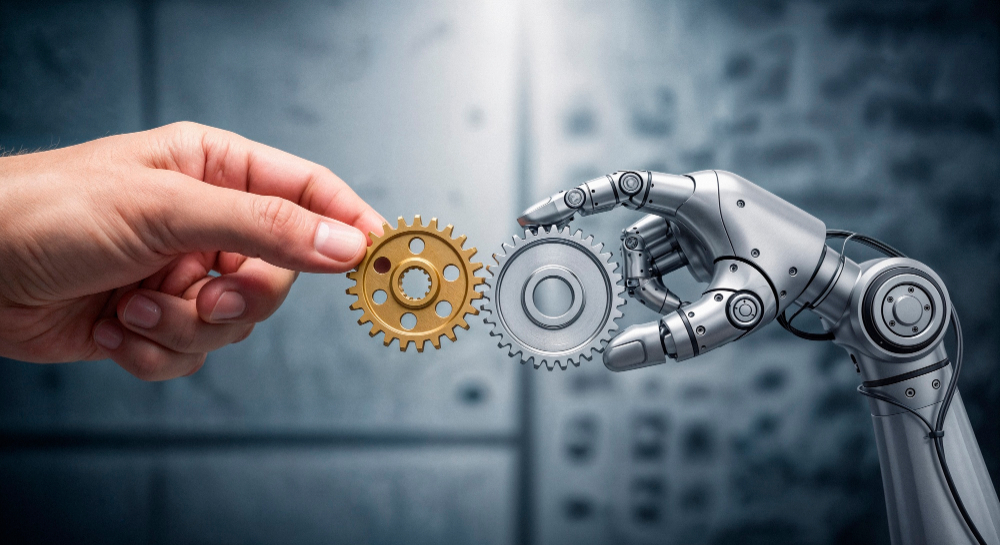
So, this year is not about embracing robots faster. It’s about smarter partnerships that provide quick, efficient, and cost-efficient solutions for what you need before you even ask.
Conclusion
AI and automation are gradually minimising human effort, and in 2026, its aggressive form will be witnessed. Small businesses often face outages and troubleshooting, and fortunately, this year there will be systems that fix themselves before they break. For sure, agentic bots are ruling, which completes tasks instead of just answering questions. Simply put, users are not going to ask for valuable information, but they can access helpful and true details effortlessly. IT is becoming invisible, and that’s exactly how it should be. It’s remarkably efficient. Keep an eye on those smart systems; they’re working hard, so you don’t have to!
