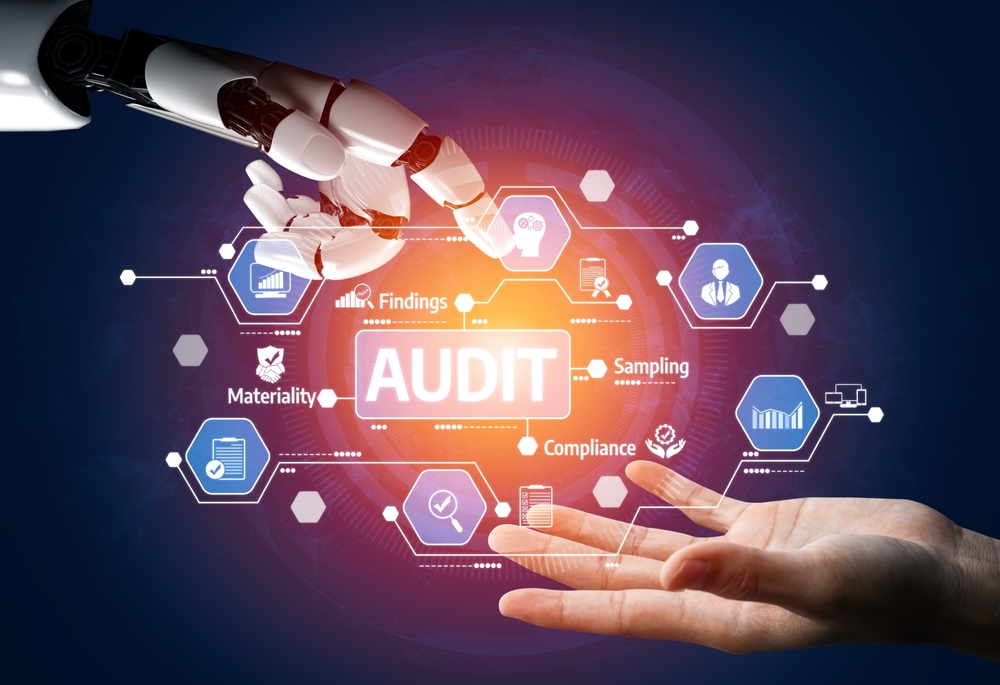
Key takeaways
- AI audits help companies kind of see if their AI systems are, well, accurate secure, and actually useful.
- An audit can bring up hidden risks tied to data quality, bias, cyber safety, and also compliance stuff.
- The findings from an audit give leaders the basis to choose which AI initiatives to upgrade, expand, or maybe pause.
- With regular AI audits, bringing AI in becomes safer, and the whole control part gets easier to manage.
AI can help companies automate tasks, improve forecasting, offer customer service, and speed up the way people decide. But AI also brings risk when organizations use it without the right checks, and sort of oversight. A model might give you wrong answers, lean on flawed data, accidentally reveal sensitive information, or back decisions that managers can not really explain, at least not in a clean way.
So, that’s why AI audits are getting more important for modern companies. An AI audit lets leaders get a grip on how these AI systems are working, what kinds of hazards they carry, and if they’re actually aligned with business goals that matter. And if a company needs an external review, professional ai audit services can help evaluate AI models, data quality, security posture, infrastructure, compliance requirements , and day to day operational readiness.
What is an AI audit?
An AI audit is basically a organized checking of an AI algorithm, or honestly of the entire AI process, in a more ad hoc sort of way but still methodical. It makes sure the system runs efficiently, uses data that is dependable, follows security regulations. and then it also makes certain the whole thing aligns with the business goals, like the intended outcomes, not just some random metric.
Audits may include:
- Machine learning algorithms
- Generative AI platforms
- Chatbots
- AI recommendations
- Predictive analytics models
- Fraud detection platforms
- Internal AI assistants
Scope is determined based on company needs. Companies may audit just one algorithm before deploying it. In other companies, all AI algorithms employed will be audited.
Why do companies need AI audits?
There is a need for an audit of AI within a company due to various reasons like its influence on profitability, trust, compliances, reputation, among others. For example, poor recommendation from an AI system could lead to losses for the company or bad strategies from the firm.
Some of the issues that need to be considered with respect to AI audits include the following:
- Is the output accurate enough?
- Is the data clean?
- Are the AI outputs explicable?
- Are there any risks?
- Is the system compliant?
- What is the value creation?
Failure to consider such questions might result in continued investments in AI systems that promise more than they deliver.
How AI audits improve business decisions
1. They show which AI projects deserve investment
A number of organizations will deploy multiple technologies for their AI. For example, one team uses the chatbot application, another deploys predictive analytics, and yet another one is using AI to generate reports/search internally.
The AI audit can help assess these tools in terms of accuracy, costs, risks, implementation, and business value. This way, organizations can make sure that investments are made where they produce value.
2. They reduce the risk of poor decisions
The artificial intelligence model may impact the actions taken by businesses. The prediction will determine stock levels; the anti-fraud model might stop transactions; the talent management tool might rank applicants.
If data used in building such a model is old and biased, the business may make wrong choices. The model audit evaluates the quality of data, logic, and outputs. It allows developers to correct mistakes early enough.
3. They expose security risks
It is possible for AI technology to cause new security risks. Staff members will likely make use of publicly available AI technologies using confidential organizational data. Insecure connections may exist between AI technology and databases, APIs, and third-party services.
An AI audit will identify:
- Unauthorized AI technology use
- Insufficient access controls
- Data exposure
- API insecurity
- Lack of clarity on data retention
- Unsecure integrations
Such information will be helpful in creating secure AI policy and procedures.
4. They support compliance
AI governance is getting more and more important, specially in healthcare, finance, insurance, HR, legal services, and e-commerce.
An audit kinda creates useful documentation, it can reveal what data the system uses, how the outputs are reviewed, who okays changes, and how the risks are tracked.
With that in place, it gets easier to respond to questions from regulators clients, investors, and the internal leadership, not just one group but all of them.
5. They improve data quality
AI quality really hinges on how good the data is, and yea it’s pretty direct. If the data is incomplete, duplicated, out of date, or biased then the AI system will end up giving weaker results, even more often than people expect.
An AI audit basically looks at how data is gathered, stored, curated, safeguarded, and refreshed. When the data is better, it tends to lift AI performance not only that but also analytics, reporting , and strategic planning.
What should an AI audit include?
An effective AI audit needs to evaluate the entire life cycle of AI and not just the model.
These include:
- Goal congruency
- Quality of data used
- Performance of the model
- Fairness and bias
- Security
- Compliance
- Explainability
- Monitoring
- Ownership and accountability
The audit report at the end needs to be specific on priorities and recommendations.
When should companies run an AI audit?
A firm should conduct an AI audit prior to the deployment of an AI system, following any substantial modifications to the model, and whenever there are alterations in business environment.
It would be wise to conduct an audit particularly under these circumstances:
- When AI impacts customers/employees
- Use of confidential data by the model
- Expansion of a pilot AI program
- Vendor-supplied AI model
- Model degradation
- Illegal AI usage
- When leadership has no idea about AI risks
AI systems may deteriorate over time due to the changing nature of data, user behavior, and rules.
Final thoughts
AI audits help companies make better business decisions, because they kind of show what AI systems can and can’t be reliably trusted to do. They bring out the risks, they help improve data quality, and they also back up compliance. And then, for leadership, they make it easier to decide where the money should go, like what to invest in, more and more.
As AI gets pulled into daily operations, companies really need more than just experimentation. They need control, visibility, and clear proof, not vague outcomes. AI audits give that kind of clarity and help businesses use AI with less risk, and usually stronger results too.
